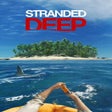
Stranded Deep review: solitary survival across a hostile Pacific archipelago
Stranded Deep, by Beam Team Games, is a first-person survival simulation set after a plane crash in the Pacific that places the player into lone survival. You forage for resources, manage hunger, thirst and health, and craft tools, shelters and rafts to extend your run. The experience highlights procedural island generation, dynamic weather and a day-night cycle alongside underwater hazards. It targets players who enjoy methodical open-world survival and careful resource management over quick-action play.
What kind of game is Stranded Deep?
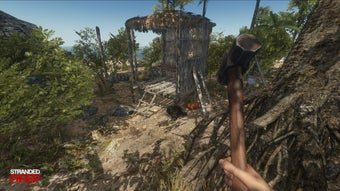
The game is a first-person survival simulation that casts the player as a lone crash survivor exploring a tropical archipelago. Exploration alternates between shorelines and underwater sites such as shipwrecks and reefs, with the practical goal of locating and repairing an abandoned plane to escape. The core loop asks you to assess each island, scavenge useful materials, and make tactical choices that affect short-term survival and long-term escape plans.
Does it have a multiplayer mode?
Yes, online co-op and shared or split-screen co-op are supported, letting friends pool resources and divide tasks. The Cartographer tool supports creating custom islands and sharing world seeds with others, which changes the social dynamic from pure survival to collaborative design and challenge sharing. Cooperative play alters pacing: one player can spear fish while another secures shelter, letting teams pursue longer expeditions than solo runs typically allow.
What does the game look and sound like?
The setting leans on tropical visuals, with beaches, coral gardens and deeper trenches forming distinct biomes. Marine life ranges from passive schools to dangerous predators, including sharks, giant squids and moray eels that change tension during dives. Audio places emphasis on ambient ocean and weather cues. A diegetic Watch interface shows vitals and status effects inside the world, reducing reliance on a constant heads-up display.
Is it hard to get started?
New players encounter several overlapping survival systems: four primary vitals, environmental risks such as sun exposure, and realistic ailments like poisoning or broken bones. Crafting and construction are physically based and support modular raft and base architecture, which rewards experimentation but requires time to master. Community notes point to a steep learning curve for beginners, so expect initial sessions to be focused on learning systems rather than immediate mastery.
Who should settle in with Stranded Deep?
Stranded is a rewarding pick for players who prefer deliberate, emergent survival rather than instant gratification; it asks for patience and experimentation. Cooperative crews and solo explorers who enjoy planning multi-day expeditions get the most from its design. A clear caveat: newcomers should budget time to learn the interlocking systems before expecting long, confident runs.